
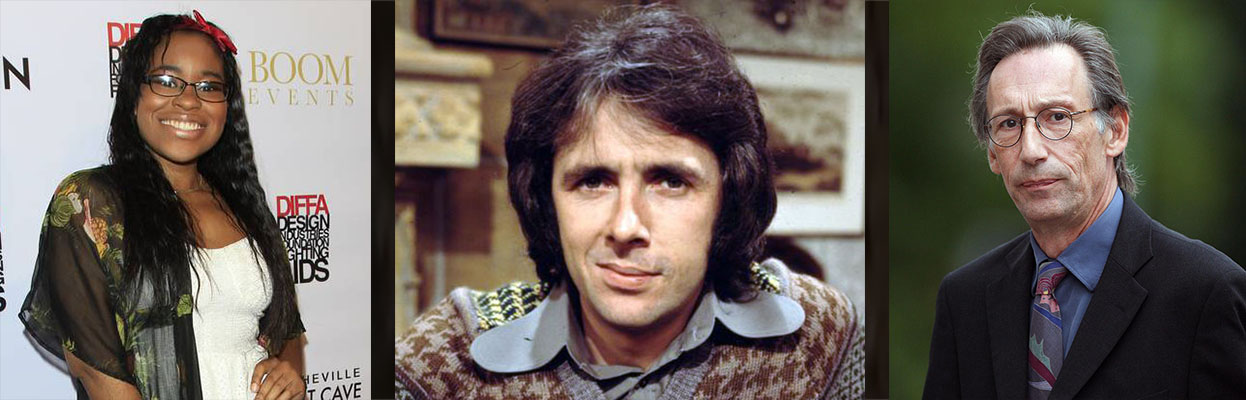
 No points this week, even though we had a supercentenarian in the list. I’m sure a few of us had Richard O’Sullivan in our Waiting Rooms as well. Let’s unleash the Flying Monkeys!
Look Who You Could Have Had:
- Carla Jeffery, 33, American actress (Zombies, Curb Your Enthusiasm, American Vandal).
- Gloria Steinem, 92, American feminist and journalist (New York, Ms.), co-founder of the Women’s Media Center.
- Robin Morgan, 85, American poet, writer (Sisterhood Is Powerful) and feminist, co-founder of the Women’s Media Center, complications from Parkinson’s disease.
- Shigeko Kagawa, 115, Japanese supercentenarian
- Ada Yonath, 87, Israeli crystallographer, Nobel Prize laureate (2009).
- Harold Gene Lucas, 74, American convicted murderer, execution by lethal injection.
- Richard O’Sullivan, 82, English actor (Man About the House, Robin’s Nest, Dick Turpin).
- Chris Langham, 77, English actor (The Thick of It, Help), television writer (The Muppet Show) and sex offender, pancreatic cancer.
- Cassandra Wilson, 70, American jazz singer, two-time Grammy winner.
- Erni Mangold, 99, Austrian actress (Before Sunrise, Therapy for a Vampire, The Forester of the Silver Wood).
- Michael Mendl, 82, German actor (Downfall, 14 Days to Life, Dark), skin cancer.
In Other News
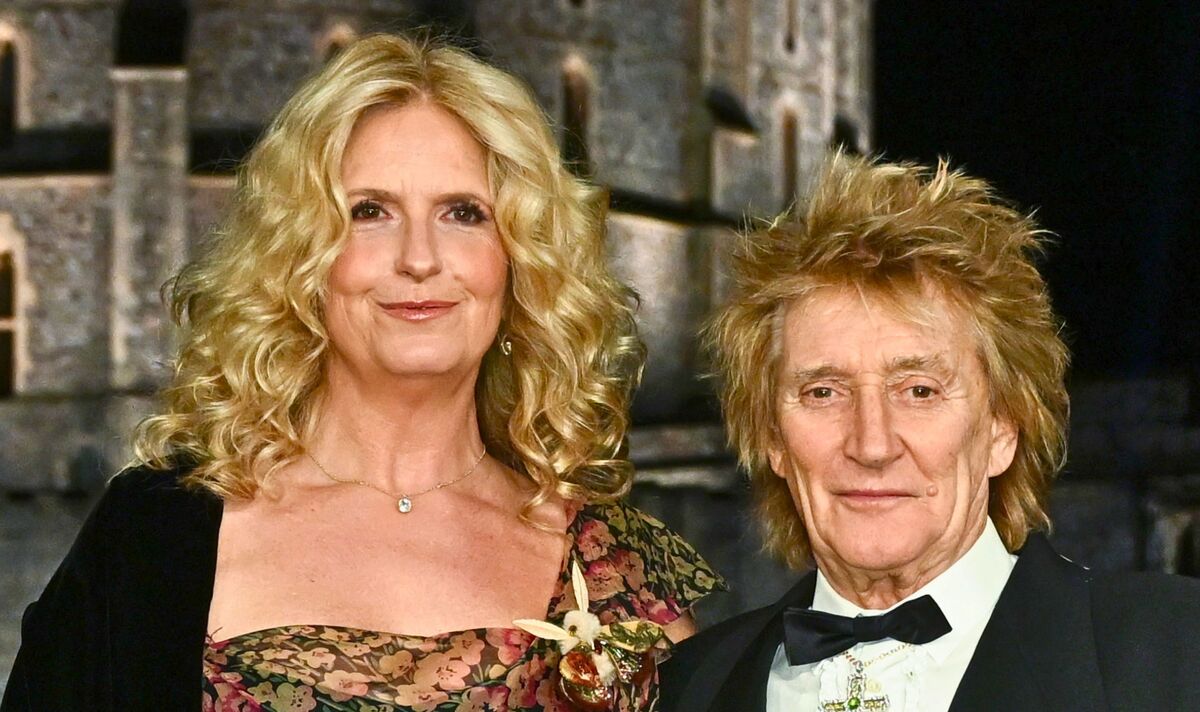 Penny Lancaster has shared a health update on her husband Sir Rod Stewart, saying he will “come back stronger than ever” following a heart operation and the cancellation of his 2026 US tour. The 81-year-old singer had embarked on his final world tour when he underwent a coronary stent procedure and was forced to take four weeks off to recover. The development arrived after a year of health issues for Maggie May singer. His wife has reassured fans worried that “he’s back at full speed in his day-to-day activities, but doctor’s orders were to kind of postpone or cancel the current tour, because you know the risk factors involved”. She added that she “did have to explain to the doctor what Rod’s performances are like”, as “he doesn’t just sit down on a stool or behind a piano, he runs around for nearly two hours with four different costume changes because he’s sweating through everything”. Lancaster, 55, continued: “So, I compared him to either a boxer coming out of his dressing room on the way to the ring, or a horse coming out the blocks, I mean, he runs on and he’s like, you know, straight into it, 100 miles an hour and doesn’t stop. “It’s like running a sprint for him, so just for precaution, that tour unfortunately had to be cancelled, which he was devastated about.” Stewart, who called off a string of US and Mexico tour dates, including six nights at Caesars Palace in Las Vegas, “can’t wait to see his fans again”, having had “so many wonderful well wishes and support”. She also said the doctor’s orders have stretched to home life, and he’s received “strict instructions about the level of workout he could do”. “I mean, he does not sit down,” Lancaster said. “I can never find him, he’s, you know, he’s got his hobbies. But he’s going to come back stronger than ever. He feels like he’s got a new lease of life.”
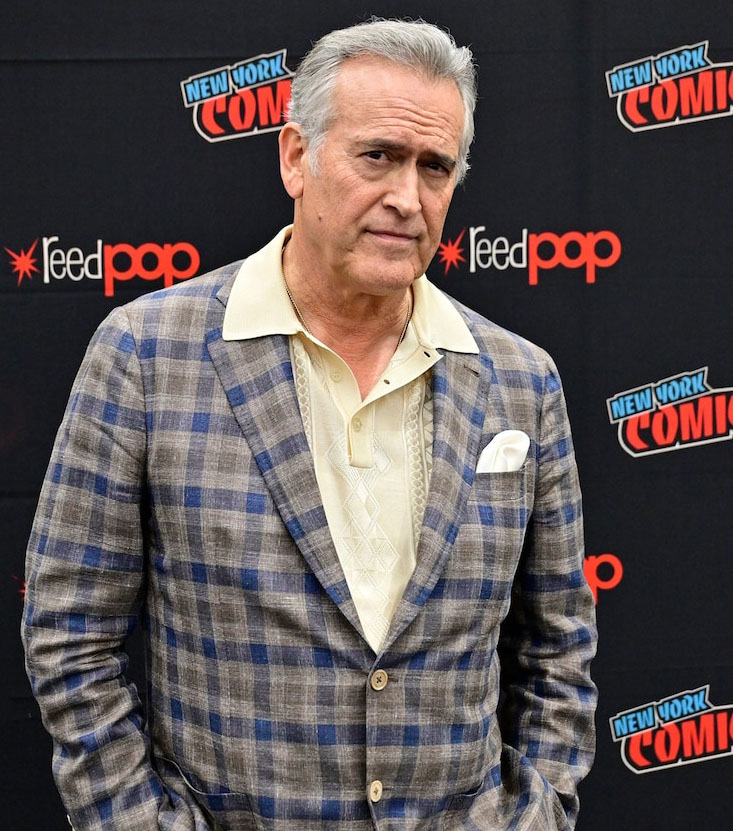 Bruce Campbell, the actor known for his role in the Evil Dead franchise, has revealed doctors have given him a prognosis of five years “give or take” amid his cancer battle. The 68-year-old, who played Ash Williams in the horror series, revealed the sad update six months after he told the world his diagnosis. “I’m in a five-year prognosis,” Campbell said. “With the type of cancer that I have, which I don’t want to get into, the current thing is a five-year deal.” But the prognosis isn’t going to stop him living life to the full. “It’s a fascinating thing that takes place because cancer messes with your head, too. I’ve decided though, pretty specifically, to live with it, not die from it,” he explained. “You can go down a massive rabbit hole. The cancer rabbit hole is enormous. You can go into focus groups of 10,000 guys who have exactly what you have. I won’t touch it with a 10-foot pole.” Campbell is now focusing on his work, including promoting his new project Ernie & Emma. “When I promote this movie, I have nothing. I’m free and clear when I promote this movie,” Campbell said. “You have to make this decision of, ‘Oh OK, but do I have to stop everything I’m doing because of this?’ Well no. So, it’s a sort of whack-a-mole life, literally. Cancer compromises shit inside your body. You don’t die from cancer, you die from what cancer does to you. It does weird shit and then you address it and move on.
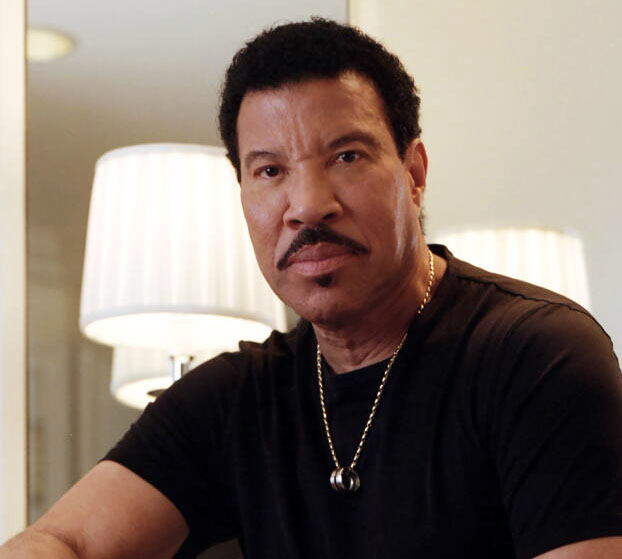 Lionel Richie is reportedly back home in Los Angeles and ‘feeling OK’ after his latest health scare, which saw the 77-year-old singer hospitalised and treated in an intensive care unit in St. Louis following his 29th August concert at The Muny. The latest Lionel Richie health update comes after the singer checked himself into a hospital following the show, where he appeared to struggle during the final song and completed the performance while seated. Reports said doctors were conducting tests related to possible cardiac issues and dehydration as a precaution, though no official diagnosis has been announced. This is the second time in just over two months that Richie has been taken to hospital after falling ill on stage. On 24 June, during the opening night of his Sing a Song All Night Long tour with Earth, Wind & Fire in St. Paul, Minnesota, he told the crowd he felt ‘dizzy’ and ‘strange,’ sat down mid-performance, and was later transported by ambulance for evaluation. According to sources close to the family, Richie’s three children are deeply worried about his health. One source said the siblings are ‘worried he could have serious heart issues’ and are now ‘like moms to him,’ urging their father to prioritise rest over work. Another source said the family is ‘doting’ on him at home, with Richie described as optimistic and in his ‘usual jovial mood’ despite the alarm. It is worth noting that no official diagnosis has been released. While early accounts pointed to ‘slight dehydration,’ later reporting indicated doctors were also investigating possible cardiac-related issues during his ICU stay.
 Egyptian television presenter Sarah Khalifa has been sentenced to death by hanging, along with 11 other defendants in a major drugs case, according to reports. Khalifa, 39, was among 12 defendants given the death penalty by a Cairo court on Saturday. Nine others were sentenced to life imprisonment and seven were acquitted, according to Egypt’s state-owned Al-Ahram newspaper. She is best known for hosting Mission Impossible, a television programme focused on crime and security. She also owns a cosmetic surgery clinic and a production company that organises parties and events. Prosecutors said the group had formed an organised criminal gang that imported materials from abroad for the manufacture of synthetic drugs, with different members allegedly responsible for importing raw materials, manufacturing the narcotics, and distributing them. Investigators seized more than 750kg of narcotics and materials used to manufacture them, Al-Ahram reported. They also found two apartments that were allegedly being used as drug laboratories, as well as unlicensed firearms and ammunition. Khalifa has denied the allegations against her. During a court appearance last September, Khalifa told the judge she had never seen drugs until she was photographed with them inside the anti-narcotics authority’s offices. The prosecution’s case was based on statements from 20 witnesses as well as technical and digital evidence, including messages, photographs and videos that prosecutors said documented the group’s activities. Khalifa was arrested in Cairo in April 2025 in connection with the investigation, and an arrest warrant was issued later the same year. The death sentences were referred to Egypt’s Grand Mufti before the final judgment. This is required under Egyptian law in capital cases, although the Mufti’s opinion is advisory and does not bind the court. Khalifa and the other defendants sentenced to death can appeal to Egypt’s Court of Cassation, the country’s highest court for criminal cases. Egypt retains the death penalty for offences including premeditated murder, terrorism, some rape offences, and drug trafficking. The Egyptian Commission for Rights and Freedoms recorded 541 death sentences in the country in 2025.
On This Day
- 1901 – Leon Czolgosz, an unemployed anarchist shoots and fatally wounds US president William McKinley at the Pan-American Exposition in Buffalo, New York.
- 1952 – A prototype aircraft crashes at the Farnborough Airshow in Hampshire, England, killing 29 spectators and the two on board.
- 1972 – Munich massacre: Nine Israeli athletes die (along with a German policeman) at the hands of the Palestinian “Black September” terrorist group after being taken hostage at the Munich Olympic Games. Two other Israeli athletes were slain in the initial attack the previous day.
- 1992 – A group of hunters at the Stampede trail near Healy, Alaska came across a male corpse in abandoned bus, later identified as Christopher McCandless.
- 1997 – The funeral of Diana, Princess of Wales takes place in London. Well over a million people line the streets and 2.5 billion watch around the world on television.
- 2022 – Boris Johnson resigns as Prime Minister of the United Kingdom, and is replaced by Liz Truss. Their meetings with Queen Elizabeth II at Balmoral Castle were the Queen’s final official duties before her death two days later.
Deaths
- 1998 – Akira Kurosawa, Japanese director, producer, and screenwriter (born 1910).
- 2007 – Luciano Pavarotti, Italian tenor (born 1935).
- 2018 – Liz Fraser, English actress (born 1930).
- 2018 – Burt Reynolds, American actor, director and producer (born 1936).
- 2019 – Robert Mugabe, Zimbabwean politician, 2nd President of Zimbabwe (born 1924).
- 2021 – Michael K. Williams, American actor (born 1966).
Last Meals
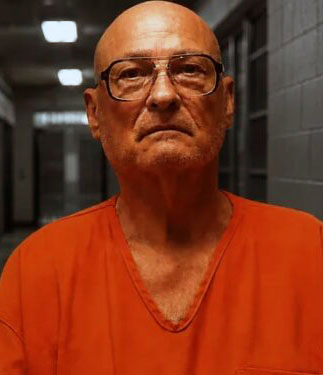 On August 13th 1976, 16-year-old Jill Piper was shot and killed by 24-year-old Harold Gene Lucas at her home in Bonita Springs, Florida. Lucas, who was Piper’s ex-boyfriend, killed Piper as revenge for breaking up with him. In addition to killing Piper, Lucas shot and wounded two of Piper’s friends, Terri Rice and Richard Byrd Jr.
In February 1977, a court sentenced Lucas to death. He was executed by the state of Florida on September 1st 2026, after spending approximately 50 years in prison, the longest interval between conviction and execution in the United States.
By the time of her murder, 16-year-old Jill Piper had been in an on-and-off relationship with Harold Gene Lucas, then aged 24. The relationship reached an end in August 1976, after months of deteriorating dynamics, including Lucas’s substance dependence. He had been using drugs since the age of 17, beginning with smoking marijuana and consuming “all kinds of substances” by 1976, including LSD, cocaine, heroin, hashish, THC, and animal tranquillisers. After Piper decided to break up with him, Lucas began harassing her as well as threatening her with death, which had forced her to call the police and request the protection of her two friends, Terri Rice and Richard Byrd Jr., then aged 17 and 19, respectively.
On August 13th 1976, Lucas had been drinking and abusing drugs with his friends since the early evening. That same night he got into a fight at a gas station and was seen by relatives and other witnesses who described him to be “totally out of it” by 11:15 p.m. Around this time he drove to Piper’s home in Bonita Springs. The girl had asked Rice and Byrd to stay with her for the night because she was scared of Lucas. Although they gave different accounts, Rice and Byrd testified about Lucas shooting them with a rifle. When he reached them inside the house, Lucas had already murdered Piper, who begged for her life and sustained defensive injuries during the assault. She was shot multiple times, with a gunshot to the head being a fatal wound. Lucas was arrested the following day by Lee County Sheriff Department officers.
 Lucas was charged with the first-degree murder of Jill Piper and the first-degree attempted murder of Terri Rice and Richard Byrd Jr. He was convicted in February 1977, and sentenced to death for the killing, additionally receiving two sentences of 30 years in prison for the attempted murder charges, which were ordered to run consecutively to each other.
On July 30th 2026, Governor Ron DeSantis signed Lucas’s death warrant. The following day, during a hearing with the circuit court, Lucas declared that he wished to waive further proceedings, noting: “I am seventy-five years old. I’ve been on death row for fifty years and I have no desire to carry this any further. The sooner it’s over, the better I’ll enjoy it. I am tired. That’s basically it.”
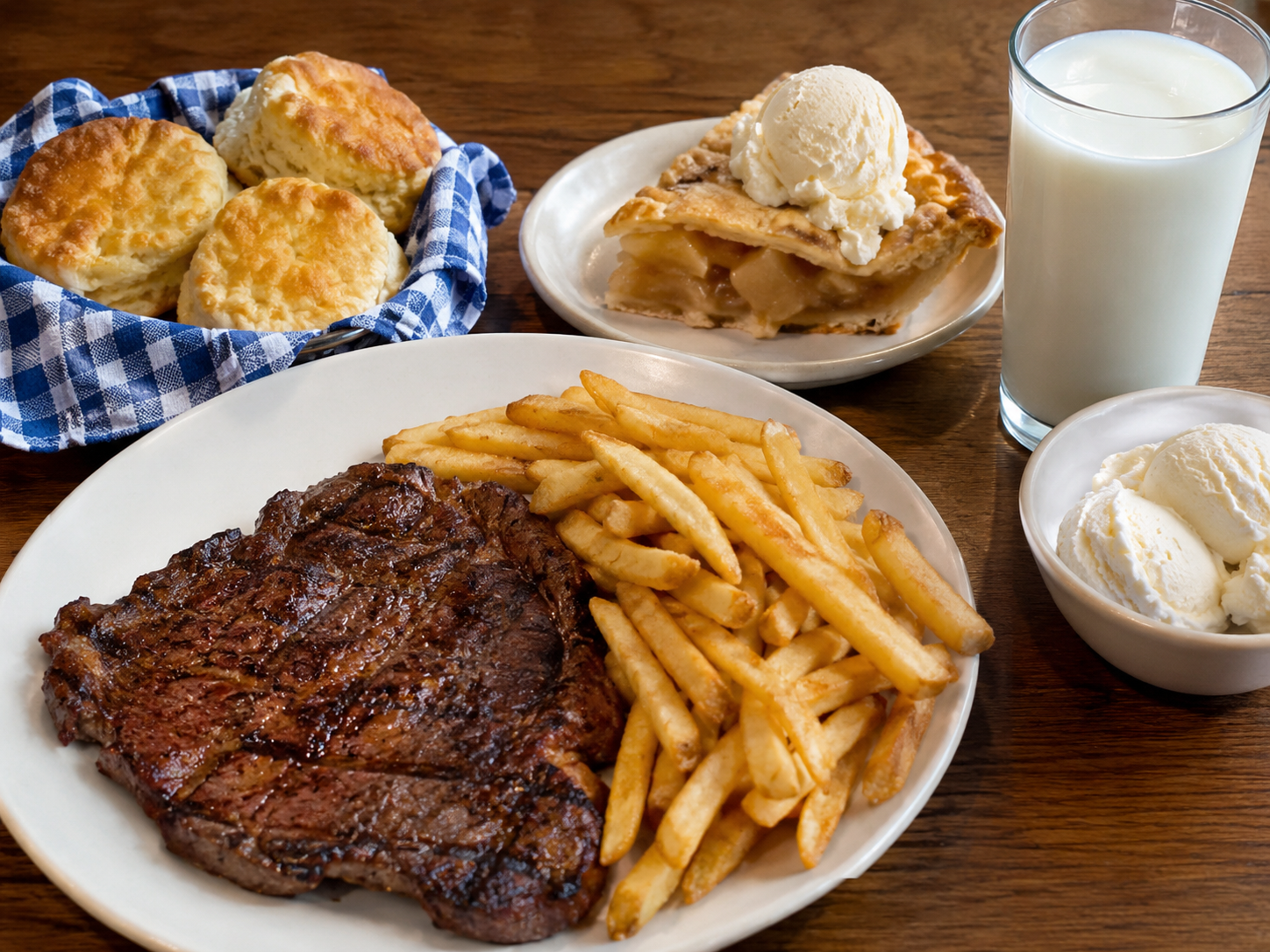
A spokesman for the Florida Department of Corrections told media on the morning of the execution day that Lucas had woken up at 5:45 a.m. and that he was visited by his sister. The official added that Lucas declined to meet with a spiritual advisor and that he was served with a meal of steak, French fries, biscuits, pie, ice cream and milk.
Lucas was executed by lethal injection on September 1st 2026, at the age of 74. When asked if he had any final statement, Lucas replied “no”, and the proceeding was carried out without complications.
Last Week’s Birthdays
Mathew Horne (48), Idris Elba (54), Michael Keaton (75), Paddy Considine (53), Rose McGowan (53), Carice van Houten (50), George Lazenby (87), Michael Berryman (78), Beyoncé (45), Charlie Sheen (61), Keanu Reeves (62), Salma Hayek (60), Zendaya (30), Burn Gorman (52), Lily Tomlin (87), Steve Pemberton (59), Gloria Estefan (69), Richard Gere (77), and Chris Tucker (55).



Recent Comments