
Dead Pool 24th May 2026
 A few interesting stories this week, alas no points to award.
Look Who You Could Have Had:
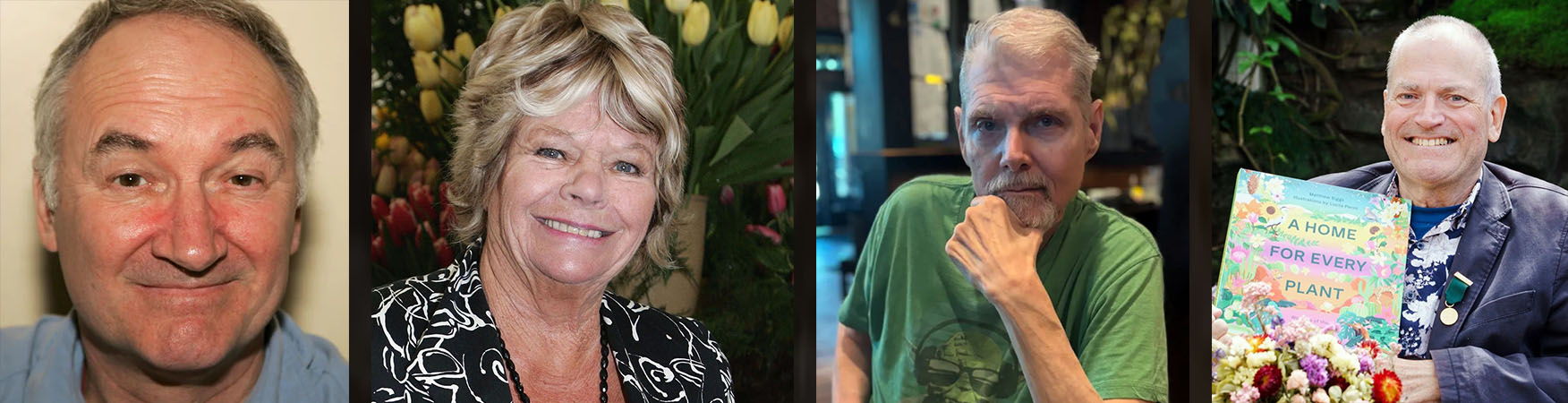
- Scott Hastings, 61, Scottish rugby union player (Watsonians, Edinburgh, national team), non-Hodgkin lymphoma.
- Tom Kane, 64, American voice actor (The Powerpuff Girls, Star Wars, The Wild Thornberrys), complications from a stroke.
- Leroy Dean McGill, 63, American convicted murderer and arsonist, execution by lethal injection.
- Matthew Biggs, 65, British radio personality (Gardeners’ Question Time), bowel cancer.
- Judith Chalmers, 90, English television presenter (Wish You Were Here…?), complications from Alzheimer’s disease.
- Peter Helm, 84, Canadian-American actor (Inside Daisy Clover, The Andromeda Strain, The Longest Day).
- Grizz Chapman, 52, American actor (30 Rock).
- Dick Parry, 83, English saxophonist (Pink Floyd).
- Michael Keating, 79, English actor (Blake’s 7, EastEnders, Doctor Who).
In Other News
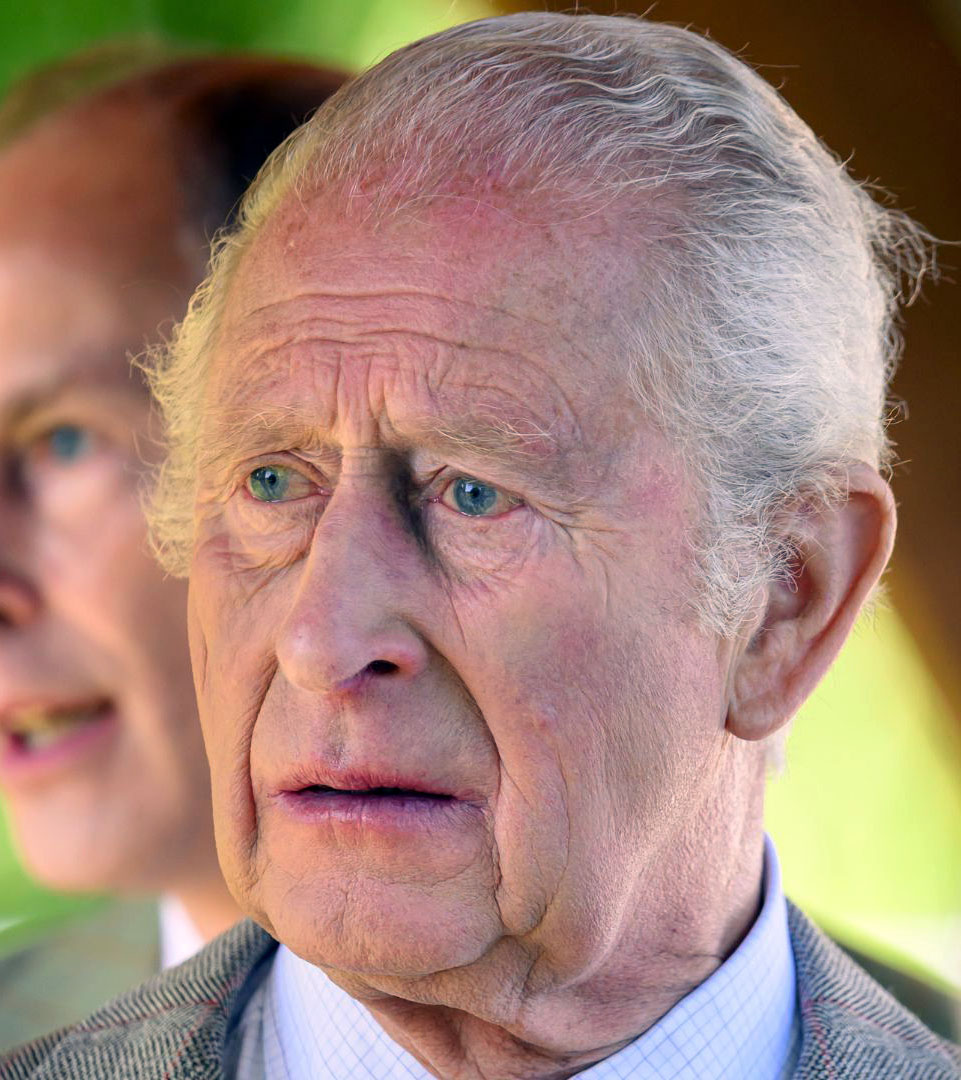 A radio station has issued an apology after mistakenly announcing that King Charles has died. Radio Caroline, which broadcasts across the south of England and the Midlands made the announcement and played God Save the King. One online listener said that the usual broadcast abruptly stopped before the hosts said that normal programming had been suspended, before the broadcast ceased for 15 minutes. After the hosts apologised for the confusion, it emerged that the announcement had been made due following a “computer error”. The station manager Peter Moore wrote on Facebook: “Due to a computer error at our main studio the Death of a Monarch procedure, which all UK stations hold in readiness while hoping not to require, was accidentally activated on Tuesday afternoon, mistakenly announcing that HRH the King had passed away. Radio Caroline then fell silent as would be required, which alerted us to restore programming and issue an on-air apology. Caroline has been pleased to broadcast Her Majesty the Queen’s, and now the King’s, Christmas Message and we hope to do so for many years to come. We apologise to HM the King and to our listeners for any distress caused.” One person commented: “It was a shock, but after telling my wife and neighbours I realised it was a mistake – and perhaps it was the relief, but then the laughter set in.” While others referred to it as an “honest mistake”, another wrote: “I heard this while working in our garage. I dashed indoors shouting to the missus ‘He’s dead ! Charlie is bloody dead!’. She looked puzzled and said ‘Well he was just at the flower show yesterday’. After much perusal of news websites we concluded that perhaps I should lay off the sauce for a while.”
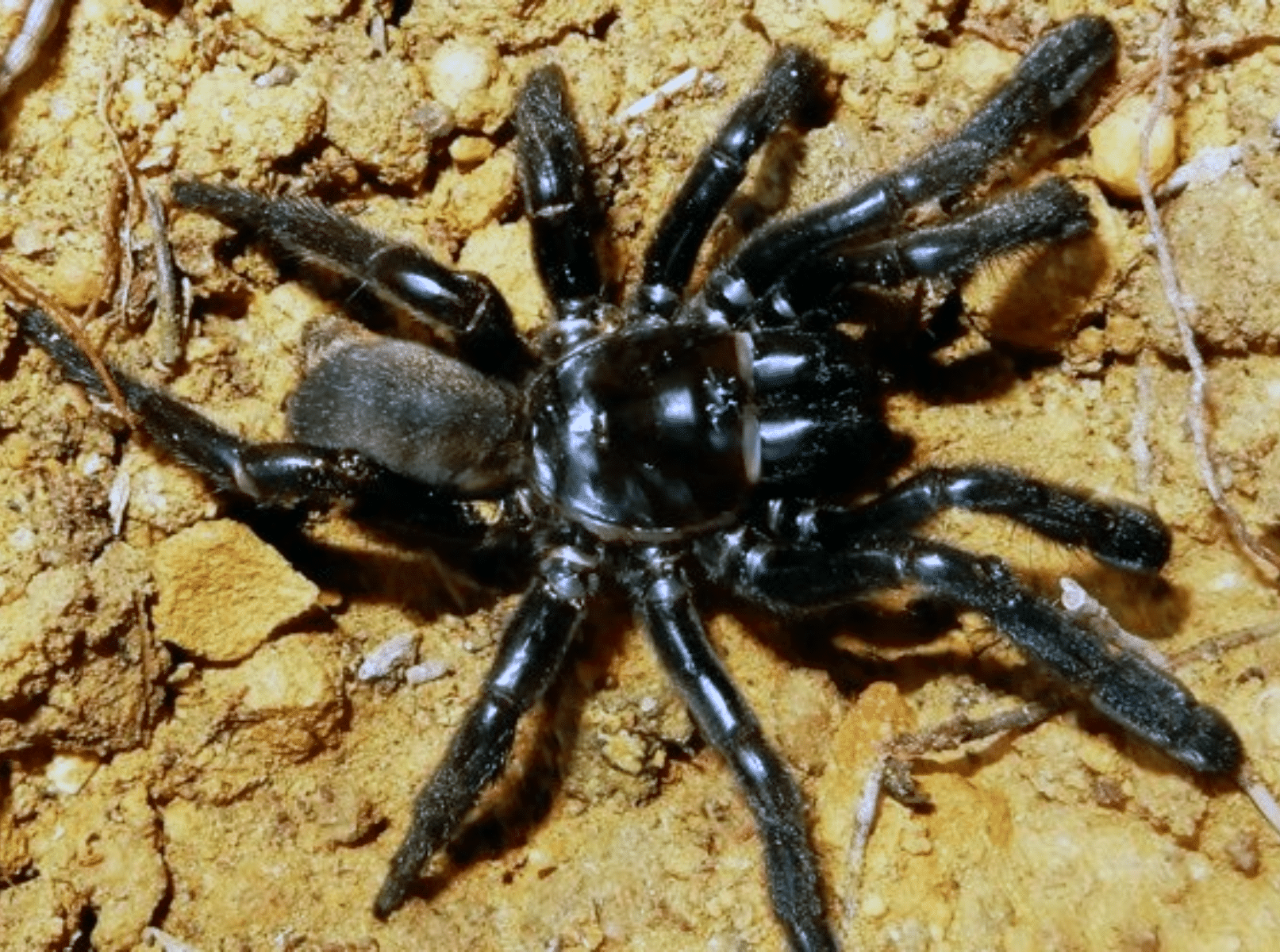 Number 16 – the world’s longest-lived known spider – has died, likely killed by a wasp at the ripe old age of 43 years. She outlived the previous record holder, a 28-year-old tarantula found in Mexico. Previously, researchers believed trapdoor spiders lived for about 25 years. However, more important than setting a record, Number 16 offers a life-lesson on sustainability. Number 16 built her burrow in the North Bungulla Reserve in southwestern Australia, when she was young. Like all female trapdoor spiders (mygalomorph spiders), she was a homebody, never leaving her burrow. She had to protect and maintain her burrow, because if it were damaged, mature trapdoor spiders cannot easily rebuild or relocate. Trapdoor spiders are hairy tropical spiders up to 4cm long that nest underground. Their bites can cause pain and swelling in humans. They cleverly camouflage their trapdoor and lay out trip lines so that when an insect triggers it, they leap out in surprise attack, dragging their prey into their burrow. In 1974, Australian arachnologist Barbara York Main included Number 16 in a study of how trapdoor spiders live in native bushland to learn about their sedentary nature and low metabolisms. As part of the study, all active burrows were checked every six months. Researchers discovered the lid of Number 16’s burrow had been pierced by a parasitic wasp and was in disrepair. Parasitic wasps implant eggs inside other insects, and when the eggs hatch the larvae feed on their host, in this case Number 16. All of her contemporaries were long gone by this time. Number 16 offers an example of a long life with low-level impact and frugal resource use, the study concluded. Moreover, she – and trapdoor spiders generally – cannot up and move if their home is destroyed or too badly damaged. This may offer humans a lesson in sustainable living, says lead author of the new study Leanda Mason from Curtin University in Perth.
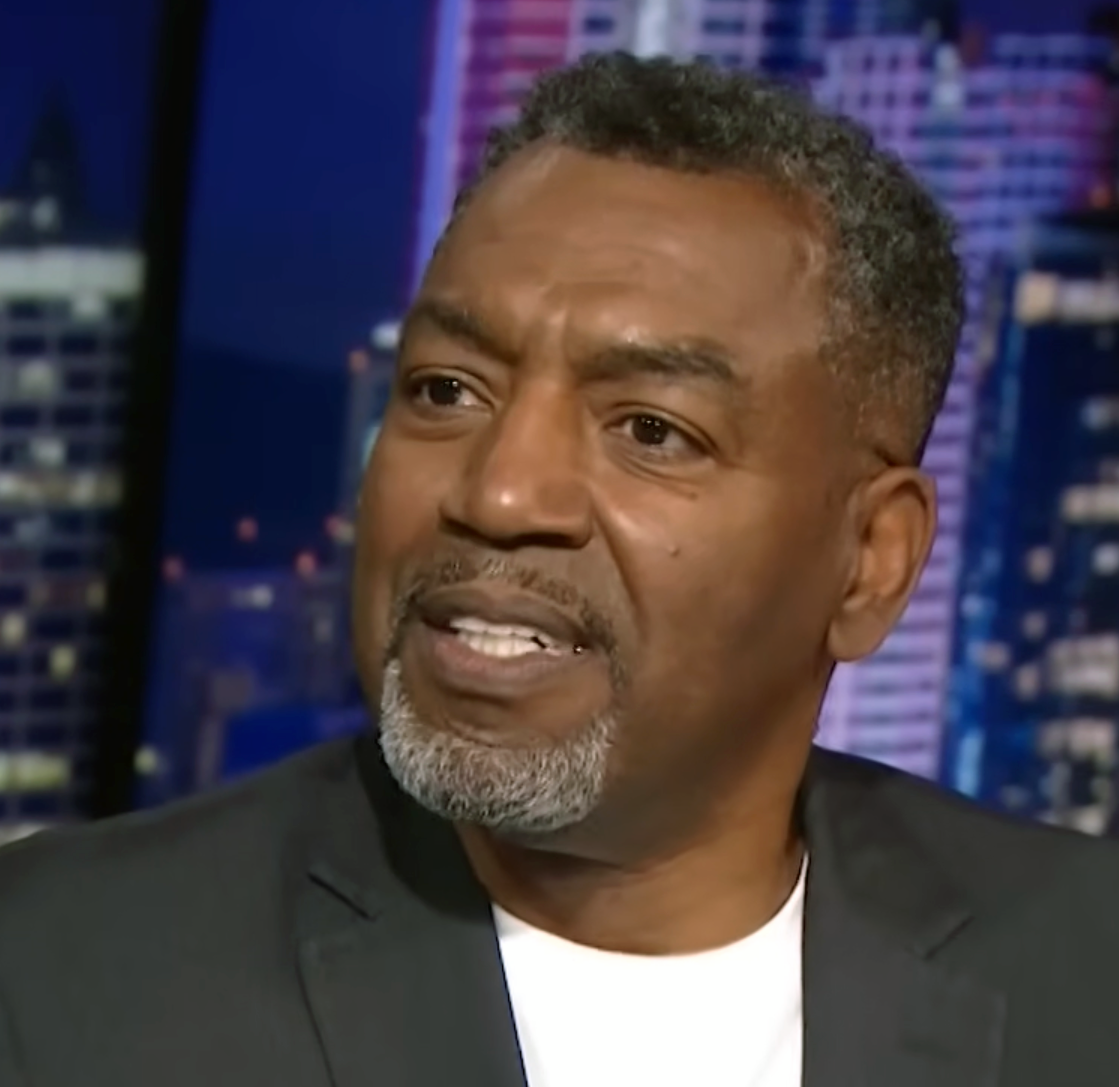 Russell Andrews, a veteran actor who appeared in major shows like Better Caul Saul and Grey’s Anatomy, has shared his diagnosis with ALS. The 64-year-old revealed the news live on The Story Is with Elex Michaelson Saturday alongside his fiancée, Justified actor Erica Tazel. ALS is the most common type of Motor Neurone Disease. It is a rare, degenerative disease that affects motor neuron’s in the brain and spinal cord, impacting movement, speech, and independence. The condition has been in the spotlight recently after another Grey’s Anatomy star, Eric Dane, announced his diagnosis in April 2025 and died in February this year. “I was diagnosed in the late fall of last year,” Andrews told Michaelson in the interview. “And it’s been humbling, but there’s… Elex, there’s also something in the fact that I walked into a family of very caring people I did not know a year ago — the cliché family, but they have not let us miss a step in terms of care, the attention, the awareness and the ability to get me here today.” Andrews said he initially feared he’d suffered a stroke during the Covid pandemic, before later recognising what may have been early signs of ALS. “It was a stressful time. We didn’t work for three years, about, and then we had the back-to-back strikes and so a lot was going on,” he said, referring to the 2023 actors’ strikes and writers’ strikes in Hollywood. There were twitches… I thought I was having pinched nerves in my neck and they were quite frequent,” he continued. “I was not able to do things that I normally do. I was dropping cups and glasses at night. It felt like things were running up and down my arm at different times and it was the nerves.” “It took him longer to clean the pool,” Tazel said of the early signs of ALS in her fiancé. “The way he walked, there was just the subtle little things like that and I had questions. I was like, ‘Something is definitely wrong.’”
On This Day
- 1930 – Amy Johnson lands in Darwin, Northern Territory, becoming the first woman to fly solo from England to Australia (she left on May 5th for the 11,000 mile flight).
- 1956 – The first Eurovision Song Contest is held in Lugano, Switzerland.
- 2019 – Under pressure over her handling of Brexit, British Prime Minister Theresa May announces her resignation as Leader of the Conservative Party, effective as of June 7th.
Deaths
- 1543 – Nicolaus Copernicus, Polish mathematician and astronomer (born 1473).
- 1974 – Duke Ellington, American pianist and composer (born 1899).
- 1995 – Harold Wilson, English politician, Prime Minister of the U.K. (born 1916).
- 1997 – Edward Mulhare, Irish actor (born 1923).
- 2015 – Tanith Lee, English author (born 1947).
- 2023 – Tina Turner, American-Swiss rock and pop singer, dancer, and actress (born 1939).
America’s Scientists Are Disappearing, And Nobody Can Agree On Why
 It started, as all great conspiracy theories do, with a YouTuber.
In early 2026, a man named Daniel Liszt posted a video suggesting that a Portuguese nuclear physicist had been assassinated because of his work in advanced fusion research. The physicist in question was Nuno Loureiro, an MIT professor and director of the university’s Plasma Science and Fusion Centre, who was shot dead at his home in Brookline, Massachusetts in December 2025. The shooting has been attributed to a rivalry with another scientist. Dramatic, certainly. A secret government hit? Probably not. A jealous colleague with a gun? Apparently yes.
But then people started looking around. And the more they looked, the more names they found.
JPL space researcher Frank Maiwald died in July 2024; his cause of death was not publicly disclosed. Anthony Chavez, a retired engineer who had worked at Los Alamos National Laboratory in nuclear weapons research, disappeared from his New Mexico home in May 2025. An administrative assistant from the same lab named Melissa Casias went missing in June 2025, last seen walking along a highway a few miles from her home.
Then there’s Monica Reza, which is where things get properly eerie. The 60-year-old aerospace engineer and co-creator of a nickel-based alloy for rocket engines disappeared on June 22, 2025, while hiking with a friend in the Angeles National Forest. The friend was about 30 feet ahead, turned around to check on her, and she smiled and waved. He turned back to continue hiking, and when he looked again moments later, she was gone. No trace has ever been found. She simply ceased to exist on a well-travelled trail on a sunny morning in California.
The story that really got Washington paying attention, though, was retired Air Force Major General William Neil McCasland. He went missing from his Albuquerque home on February 27, 2026. His phone, prescription glasses and wearable devices were all found at home. Missing: his hiking boots, his wallet, and a .38-calibre revolver. McCasland had commanded the Air Force Research Laboratory at Wright-Patterson Air Force Base — the facility famously rumoured to house debris from the Roswell UFO crash. This detail, naturally, sent the internet absolutely feral.
Two Los Alamos employees vanished weeks apart in 2025 under nearly identical circumstances, each leaving behind their car, keys, wallet, and phone. A Novartis pharmaceutical researcher named Jason Thomas disappeared in December 2025 and was found dead in a Massachusetts lake three months later. Caltech astrophysicist Carl Grillmair — known for his work searching for water around exoplanets — was shot dead on his front porch in February 2026. A suspect was arrested, but there is no clear motive, and the two men didn’t appear to know each other.
By April, the White House was involved. Trump, when asked whether the cases were connected, said: “I hope it’s random, but we’re going to know in the next week and a half. I just left a meeting on that subject.” The House Oversight Committee launched an investigation. The FBI announced it was “spearheading the effort to look for connections.” NASA said nothing related to its work “indicates a national security threat,” which is exactly what NASA would say either way.
So what’s actually going on? The sceptics have a point. Science writer Mick West noted that more than 700,000 people work in top-secret-cleared positions in the US aerospace and nuclear sectors — which would suggest around 250 would normally die from homicides and suicides across any given multi-year period, with thousands more from natural causes. In other words: when you go looking for dead scientists, you will find dead scientists. That’s just statistics.
Michael Shermer, editor of Skeptic, explained that conspiracy theorists were “digging around to find anyone who died for any reason, then scraping through their bio to see if they have any connection whatsoever to UFOs, military, defence, space, aerospace, propulsion” — inevitably discovering “patterns in random noise.”
And yet. A woman who vanishes mid-wave on a hiking trail. A general who walks out of his house with only a revolver. Two Los Alamos workers gone within weeks of each other, leaving everything behind. The rational explanation is almost certainly the correct one. Almost certainly.
Last Meals
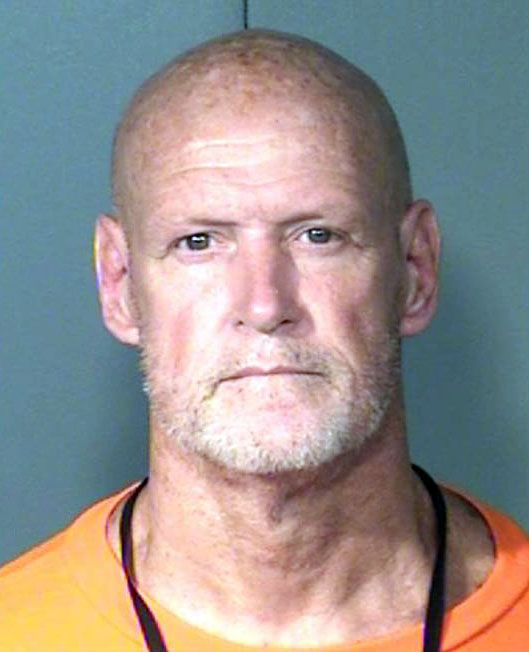 An Arizona prisoner who killed a man by throwing gasoline at him and lighting him on fire has been executed by lethal injection, marking the first of three planned executions across the United States this week.
Leroy Dean McGill, 63, was pronounced dead at 10:26 a.m. PT Wednesday at the Arizona State Prison Complex in Florence. McGill had been sentenced to death for the murder of Charles Perez, who was attacked alongside his girlfriend in a north Phoenix apartment in 2002.
John Barcello, deputy director of the Arizona Department of Corrections, Rehabilitation and Reentry, stated that McGill’s last meal consisted of onion rings, bread and butter, chocolate cake, and a green salad.
His final words were quoted as: “I just want to thank everyone for being so accommodating and nice.”
Media witness Josh Kelety from The Associated Press reported hearing McGill say at one point: “I’m going home soon.”
McGill threw gasoline and a lit match at Perez and his girlfriend, Nova Banta, as they sat on a sofa on July 13th 2002. The attack followed an accusation by the couple that McGill had stolen a gun from their apartment.
At the time, McGill was reportedly using methamphetamine and had not slept for several days. While Banta survived the ordeal, Perez died from his injuries.
During the trial, Banta testified that McGill had told her and Perez not to talk behind people’s backs before igniting them. Perez died in hospital after suffering what prosecutors described as extreme pain while Banta sustained third-degree burns over three-quarters of her body.
Jurors deliberated for less than an hour in October 2004 before convicting McGill of murder in Perez’s death, as well as attempted murder for the attack on Banta, arson, and endangerment.
McGill’s legal team had sought leniency, presenting evidence of childhood abuse, mental impairment, and psychological immaturity, but the jury ultimately returned a death sentence. A last-ditch bid for resentencing this spring was rejected by a lower-court judge, and the Arizona Supreme Court also declined a request to postpone the execution. McGill, who declined an interview request, waived his right to seek clemency.
Arizona Attorney General Kris Mayes, whose office pursued the execution, said: “My thoughts today are with the family and the loved ones of Charles Perez and Nova Banta.”
 Media witness Sean Rice from Phoenix television station KPNX observed that the “process went swimmingly. I didn’t see any issue at all finding a vein on either arm,” noting a slight twitching on the right side of McGill’s head approximately four minutes before his death.
Twelve people have been executed in the United States so far this year, with Tennessee and Florida each scheduled to carry out further executions on Thursday.
The state of Arizona carried out several executions in 2025, including those of Richard Kenneth Djerf for the 1993 killings of four members of a Phoenix family and Aaron Gunches for the 2002 fatal shooting of his girlfriend’s ex-husband.
This follows a nearly eight-year hiatus in Arizona’s use of capital punishment, prompted by difficulties in obtaining execution drugs and criticism surrounding a botched 2014 execution where Joseph Wood was injected 15 times over two hours, leading to repeated snorting and gasping before his death.
The state’s current execution protocol involves administering two syringes of the sedative pentobarbital.
Last Week’s Birthdays
Kristin Scott Thomas (66), John C. Reilly (61), Alfred Molina (73), Doug Jones (66), Jim Broadbent (77), James Cosmo (78), Priscilla Presley (81), Bob Dylan (85), Richard Ayoade (49), Joan Collins (93), Bob Mortimer (67), Melissa McBride (61), Ginnifer Goodwin (48), Sara Pascoe (45), Graham Linehan (58), Fairuza Balk (52), Mr. T (74), Noel Fielding (53), Louis Theroux (56), Jack Gleeson (34), Cher (80), Grace Jones (78), Tina Fey (56), Chow Yun-Fat (71), and Miriam Margolyes (85).



Leave a Reply